
According to the Uganda Ministry of Health’s 2023 Oxygen Scale-Up Plan, more than 80% of health facilities in the country experience intermittent oxygen shortages, leaving thousands of patients at risk. In East Africa, the situation is just as dire, with studies showing that only 1 in 5 hospitals maintain a reliable supply of oxygen at all times.
Unveiling the Story Behind Uganda’s Oxygen Crisis
Uganda’s oxygen challenge is not merely about equipment—it is a systems issue. The health sector relies on three main supply channels:
- Cylinder Distribution – Provides oxygen to urban hospitals but faces delays and high refill costs.
- Concentrators – Common in lower-level facilities but unreliable during frequent power outages.
PSA Plants (On-site Production) – Critical for regional hospitals, yet many run below capacity due to poor maintenance and inconsistent funding.
The impact is profound. According to WHO data, oxygen is essential for the treatment of over 50% of all hospital admissions requiring critical care—including newborns with respiratory distress, surgical patients, and those battling pneumonia, COVID-19, and maternal complications. In Uganda alone, pneumonia kills more than 22,000 children under five each year, many of whom could be saved with reliable oxygen therapy.
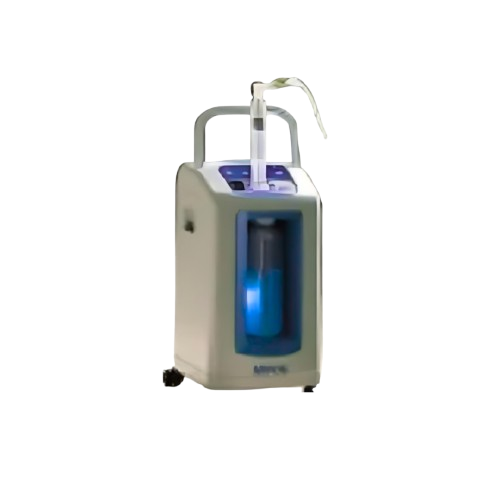
Delving Into the Significance of Reliable Oxygen Supply
While oxygen might appear as a simple medical commodity, it is in fact a life-saving drug recognized by the WHO’s Essential Medicines List. Its availability directly influences survival outcomes in critical cases.
From a policy perspective, the oxygen crisis reflects broader systemic gaps in Uganda and East Africa:
- Infrastructure gaps – Over 60% of health facilities lack piped oxygen systems.
- Cost barriers – Oxygen cylinders cost hospitals up to UGX 200,000 per refill, straining already limited budgets.
- Distribution bottlenecks – Rural facilities often wait days or weeks for deliveries.
- Maintenance challenges – PSA plants operate at less than 50% capacity due to breakdowns and insufficient technical staff.
The absence of reliable oxygen isn’t just a medical issue—it’s an equity issue. Patients in urban centers are more likely to access life-saving oxygen compared to those in rural Uganda or remote parts of East Africa.
Agasha Faith, CEO & Owner Tweet
Essential Oxygen Delivery Systems Unveiled
When analyzing oxygen supply, policymakers and investors typically focus on three core delivery systems:
- PSA Plants (Pressure Swing Adsorption) – On-site generation at hospitals for bulk supply.
- Cylinder Distribution Networks – Transport-based model, heavily dependent on road infrastructure.
- Concentrators – Portable devices suited for low-resource settings, but vulnerable to power cuts.
Each system has strengths and weaknesses, and a resilient national supply chain requires integration of all three—backed by policy reform, private sector innovation, and donor investment.