

According to the Uganda Industrial Research Institute (UIRI) and Ministry of Health’s 2024 reports, hospitals in Uganda face a 40–60% shortfall in oxygen availability during peak demand. In rural facilities, this gap is even wider, with less than 30% of health centers able to provide oxygen continuously. This systemic shortage has driven the need for innovative, low-cost, and reliable solutions—among them, the Medium-Pressure Oxygen Storage (MPOS) system, a breakthrough designed in Uganda for Africa’s context.
Unveiling the Story Behind the MPOS System
The MPOS (Medium-Pressure Oxygen Storage) system is a locally developed innovation that bridges the gap between oxygen generation and patient delivery. Unlike conventional storage, which relies solely on costly high-pressure cylinders, MPOS allows facilities to store oxygen produced from oxygen concentrators in reinforced medium-pressure tanks.
This model ensures that hospitals can:
- Guarantee continuous supply even when oxygen concentrators face downtime in power outages.
- Reduce dependence on cylinder distribution, lowering transport and refill costs.
By localizing design and production, MPOS not only makes oxygen affordable but also scalable for district-level and rural health facilities that are traditionally left behind.
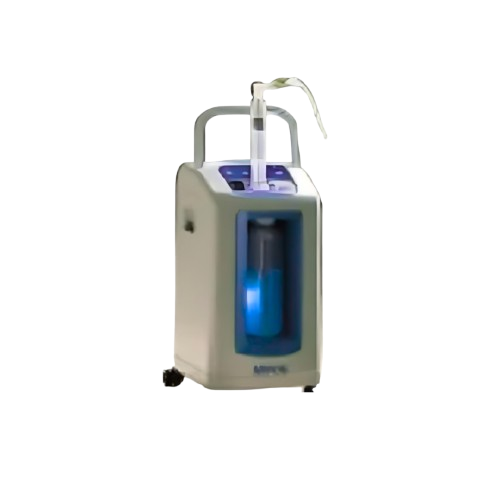
Delving into the Significance of MPOS in Health Systems
The MPOS system is more than an engineering upgrade—it represents a shift in how oxygen is conceptualized, stored, and delivered in resource-limited settings.
From a health systems perspective, MPOS addresses four major challenges:
- Reliability – Ensures uninterrupted supply during power cuts.
- Affordability – Cuts costs by minimizing the need for high-pressure cylinder deliveries.
- Scalability – Adaptable to both large referral hospitals and smaller district facilities.
- Resilience – Strengthens emergency preparedness ensuring oxygen is available.
Studies from East Africa show that up to 50% of oxygen interruptions occur during transport delays or power outages. MPOS directly mitigates this by acting as a local oxygen reservoir, making life-saving oxygen always within reach.
“The MPOS system is a game-changer—it makes oxygen supply predictable, affordable, and accessible for facilities that were previously left to struggle.”
Agasha Faith Anne Maria, Compliance Lead at Pearloxy Uganda Limited Tweet
Essential Components of the MPOS System Unveiled
When analyzing the MPOS technology, three critical components define its impact:
- Reinforced Medium-Pressure Tank – Store oxygen safely at 25 bar, tailored for local use.
- Automated Control and Monitoring Systems – Enable smooth regulation and ensure consistent flow to patients.
- Integration with Concentrators – Allows hospitals to harness multiple oxygen sources for maximum reliability.
This integration means that a rural hospital equipped with MPOS can deliver the same continuous, reliable oxygen as an urban referral facility—something that was previously impossible without heavy donor funding or imported systems.